
Fee Management System
Set up fee structures once, auto-generate invoices at enrollment, accept payments via cash, bank, or online gateways, apply discounts automatically, and reconcile seamlessly - speeding up book closure with fewer errors and calls.
Financial Management Benefits
Invoices That Build Themselves When Students Enroll
Your billing clerks should not spend three weeks in August typing 11,700 fee line items into invoices by hand. When fee structures are linked to courses, enrollment triggers invoicing automatically.
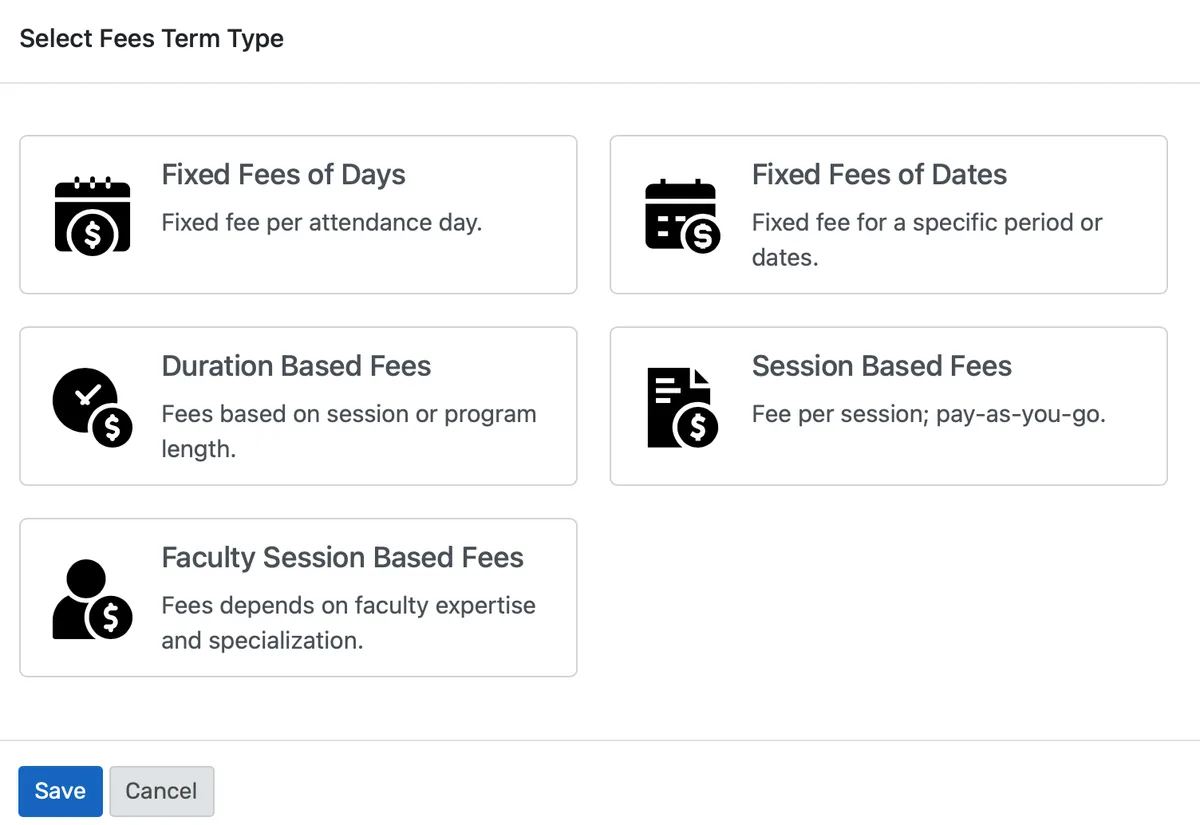
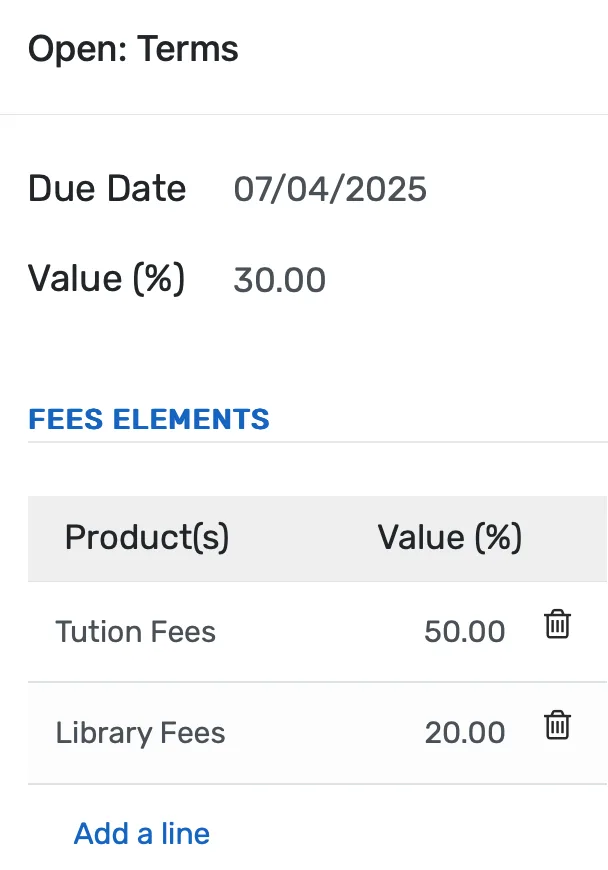
- Define fee structures once per course (tuition, lab fees, activity fees, transportation, meal plans) with amounts, due dates, billing periods, and term schedules that apply consistently to every enrolled student
- Scholarships, sibling discounts, fee waivers, and early-payment adjustments apply at invoice generation based on configured rules, eliminating the manual cross-reference between the scholarship spreadsheet and the billing file
- Mid-year enrollment changes (course adds, drops, transfers, withdrawals) trigger automatic invoice adjustments with credit notes or supplemental charges calculated to the day
Every Payment Channel Reconciled in One Place
When 55% of families pay online, 30% mail checks, and 15% pay cash, your AR specialist should not be the human middleware stitching four data sources together every week.
- Online gateway payments post to student accounts automatically, with bulk ACH deposits split into individual transactions using payment gateway data instead of manual line-by-line matching
- Check and cash payments record against specific invoices at the point of receipt, generating numbered receipts and posting journal entries without end-of-week transcription from paper logs
- Real-time aging reports show outstanding balances by 30, 60, 90, and 120+ days across every fee type, grade level, campus, payment channel, and fee category without pulling data from multiple systems
Financial Visibility That Does Not Require a Spreadsheet
When your head of school asks how much fee revenue you have collected this semester, the answer should take 10 seconds to find, not 10 hours to compile from four disconnected sources.
- Dashboard shows total billed, total collected, total outstanding, collection rate percentage, and projected cash flow updated in real time as payments post throughout the day
- Drill from a summary number to the individual student invoices behind it, click on '$87,000 outstanding' to see exactly which 142 families owe money and how long each balance has been overdue
- Scholarship utilization reports show total aid awarded, aid disbursed, remaining budget, award-type breakdown, and per-student details for board reporting and financial aid committee reviews
Financial Management Features
Everything you need to manage financial management effectively
Fee Terms
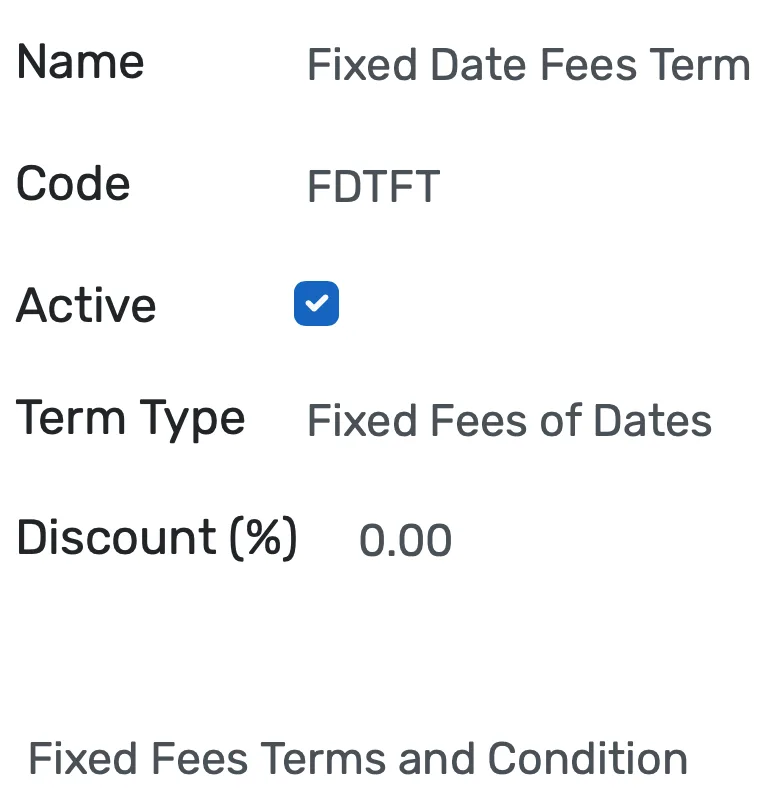
Define fee structures with amounts, codes, and product associations
Fee Term Lines
Multiple line items per fee term with individual amounts and due dates
Course Fee Linking
Associate fee terms with courses for automatic application
Student Fee Details
Track fees owed by each student with amount and due date
Fee Plans
Student-specific payment plans with custom schedules
Duration-Based Billing
Recurring fees every N days/weeks/months
Session-Based Fees
Fees triggered by attendance records
Faculty-Based Fees
Rate-based billing for private tutoring
Frequently Asked Questions
Get answers to common questions about Financial Management
Scholarships are configured with scope rules that define which fee categories the discount covers. A 40% merit scholarship can be set to apply only to the tuition line item while leaving transportation, lab fees, activity fees, and meal plan charges at full price. When the student's invoice generates at enrollment, the system applies the significant reduction to tuition and leaves other line items untouched. If the scholarship terms change mid-year, say the student qualifies for an additional need-based award covering activity fees, you update the scholarship record, and the system recalculates the balance with a credit note for the difference. The student's financial aid history preserves every change with dates and amounts for audit purposes.
Built for Your Institution Type
See how this feature works for your specific institution
Integrations, Comparisons & Tools
Extend Financial Management with integrations, see how we compare, and calculate your ROI
Related Features

Admission Management
Student registration software that handles online applications, automated reviews, merit lists, and enrollment conversion. Your admissions office processes more registrations with fewer staff hours and fewer errors.

Student Management
Student information system software that keeps every record (academics, health, contacts, documents) in one place. SIS for K-12 schools and universities that gives staff accurate student data instantly and makes reporting effortless.

Course Management
Effortlessly create, organize, and manage courses with a user-friendly platform that streamlines content delivery, tracks progress, and enhances the learning experience for students and educators.

Examination System
Schedule hundreds of exams across multiple rooms without conflicts, generate student hall tickets, and publish verified results in days providing exam controllers smooth logistics and registrars audit-ready records efficiently.

Faculty Management
Manage faculty profiles, balance workloads, coordinate substitutions, track credentials, and conduct performance reviews, freeing department heads from administrative tasks to focus on supporting and empowering teaching staff effectively.

Learning Management System
Cloud-based learning management system for schools and universities. Build courses with video, quizzes, and forums. Track student progress in real time. Issue certificates. One LMS platform connected to your student records, gradebook, and enrollment. No syncing or duplicate entry.
Ready to Transform Your Financial Management?
See how OpenEduCat frees up time so every student gets the attention they deserve.
Try it free for 15 days. No credit card required.